
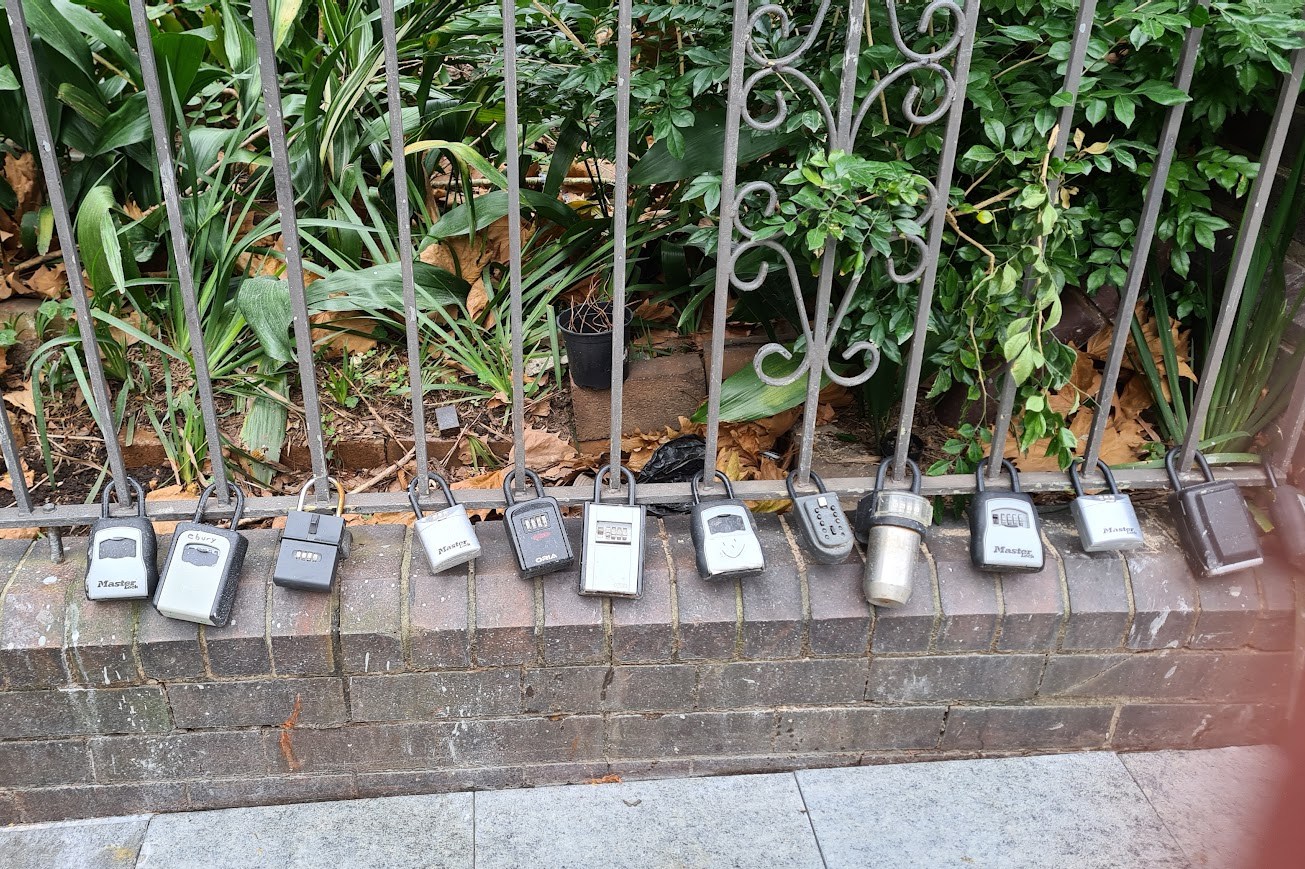
The Airbnb brigade is out in force again, trying to convince us that, because they can’t be blamed for the whole housing issue, they shouldn’t be held responsible for any of it.
But there would be dancing in the street if more than 5000 homes became available for rent in Sydney City overnight. And that’s the number of homes in the inner city alone that have been lost to short-term lets as they hollow out Sydney’s rental market, according to supporters of tougher restrictions on Airbnb and its ilk
More than 5,400 properties in the City of Sydney alone are operating as short-term rentals — and with 68 per cent of hosts running multiple listings, the scale of the problem has moved well beyond a homeowner earning a bit extra on the side, say critics.
A City of Sydney council report found that short-term rental accommodation was more profitable than long-term letting in many inner-city suburbs, even under the existing 180-day cap on non-hosted properties.
The report, tabled alongside a motion by Deputy Lord Mayor Jess Miller in February 2025, identified a yawning gap between official government data — which recorded 2,468 registered STRA properties — and independent platform data showing more than twice that number actually active.
However, the state government seems hamstrung as it tries to balance encouraging tourists, allowing residents to profit from property and the dire affordable housing crisis that gets worse every day.
“The City’s own research shows the 180-day cap on short-term rentals isn’t working,” Greens councillor Sylvie Ellsmore told the council meeting. “Not only aren’t the rules being followed, they don’t work when they are.”
Miller described it as “morally reprehensible” to ignore the impact on housing, telling the Australian Financial Review that more than 1,000 homes operating as full-time Airbnb properties in her local government area could instead house essential workers and long-term tenants.
Greens councillor Matthew Thompson put it more bluntly at the council meeting: “Since 2021, we’ve seen an explosion of Airbnbs across the city — thousands of homes ripped away as homes for people to live, turned into mini hotels.” He told councillors that property investors were stacking up five, 10 or even 20-plus properties and renting them out on short-stay platforms (Smart Property Investment, May 2026).
Sydney MP Alex Greenwich told the Sydney Morning Herald that better regulation to stop “the current manipulation of commercial operators will be the fastest way to unlock much-needed rental housing in the inner city.”
The numbers tell the story
A motion raised by the Greens in April, seconded by Miller, recommended the NSW government investigate slashing the annual cap from 180 to 60 days and imposing a time-limited ban in suburbs where short-term rentals are rife — Millers Point, The Rocks, Darlinghurst and Paddington among them.
The council motion noted the “pernicious effect” of non-hosted short-term rentals on communities, saying they were “hollowing out neighbourhoods … through treating dwellings as investment vehicles rather than homes for people and families.”
In the Waverley LGA, whole-dwelling holiday rentals accounted for nearly 15 per cent of the entire rental stock — while vacancy rates sat at just 1.3 per cent. In Byron Shire, the figure was a staggering 63 per cent of rental dwellings operating as short-term lets, with vacancies at 0.9 per cent.
Accommodation Australia chief executive James Goodwin said the unregulated rise of short-term lettings was distorting the housing market and making it harder for people to find a home near where they live and work. He called for nationally consistent regulation, a 90-day cap for unhosted short-term rentals, and all properties registered with state authorities.
“We also have a concern that the rise in this corporatised nature of short-term rental is so far removed from what the original founders [of Airbnb] had planned,” Goodwin said. “People are avoiding facing the regulatory and tax pressures that traditional accommodation providers have to face.”
Property managers push back
Not everyone agrees the crackdown will work. Property managers operating in the STRA market say reducing caps won’t return properties to the long-term rental pool — it will just leave them sitting vacant for longer.
“Reducing those caps, you’re not putting that property back onto the long-term market, it’s just going to sit there vacant for longer,” Georgia McAleer, general manager at Sydney-based property management firm L’Abode Accommodation, told the Australian Financial Review..
McAleer said the proposed changes failed to recognise the main drivers of Sydney’s housing shortage. “It’s more to do with the crazy population growth and the lack of housing. Putting restrictions on STRA isn’t really going to help at all.”
She pointed out that L’Abode’s clients included families relocating, people displaced by weather emergencies, and university students seeking temporary accommodation — needs that hotels struggle to meet, particularly for longer stays.
Teri Lorigan, who runs PlaceMates, a property management business handling short-term listings across the east coast, said housing supply issues could not be “simplistically blamed on individual hosts or tourism alone when there are much larger structural housing and planning issues involved.”
Lorigan warned that an “entire network” of local businesses, cleaners, maintenance teams and tourism operators would be hurt by the proposed changes.
What happens next
NSW Housing Minister Rose Jackson has acknowledged the need for change but has not committed to a timetable. The City of Sydney motion also called for the state’s STRA register to be strengthened along the lines of Western Australia’s model, which is updated daily and publicly accessible — a transparency measure that would make enforcement far easier.
The council has asked the NSW government to give local authorities greater tools to manage the impact of short-term letting on long-term housing supply, a position it plans to take to the 2025 Local Government NSW Annual Conference.
Meanwhile, SQM Research head of property Sam Tate has noted “renewed upward momentum” in Sydney rents entering 2026, warning that the late-2025 softening in rental growth appeared to be temporary. With vacancy rates in Sydney’s middle ring sitting at just 1.8 per cent and investors increasingly tempted to shift to the more profitable short-stay market, the pressure on long-term renters shows no sign of easing.
Sources: City of Sydney council motions (February and April 2025); Australian Financial Review; Sydney Morning Herald; Smart Property Investment; Inner West Council report on Airbnb impact (February 2023); Inside Airbnb; SQM Research; Accommodation Australia; City Hub.
› Forums › Current Page
Airbnb hosts are campaigning against new curbs, insisting that tens of thousands of homes let to tourists don’t affect the residential market.
[See the full post at: Airbnb hosts shirk blame as Sydney calls for curbs]
If you want to be alerted when anyone replies to your posts or responds to this topic, please register and login, then you will be able to subscribe to the topic. The opinions offered in these Forum posts and replies are not intended to be taken as legal advice. Readers with serious issues should consult experienced strata lawyers. NB: Longer threads may spill over to additional pages - look for the numbers on the bottom right, under the last post.
› Forums › Current Page
› Forums › Current Page