
A question to the Flat Chat Forum a couple of weeks ago has exposed what looks like an illegal charge being imposed by some strata committees on residents who want to keep pets.
Flatchatter Zaraluna, who fosters cats until a permanent home can be found for them, was worried that she would be charged her strata scheme’s $100 application fee every time she found a home for one of her two cats and then brought in another to care for.
It turns out, she needn’t worry – the pet application charge is probably illegal. NSW strata law says “An owners corporation must not require an owner or occupier of a lot to pay a bond or fee relating to the keeping of an animal on the lot.”
In fact, if she paid any fees in the past year, she should be asking her strata committee to return the money as, in our non-legal opinion, they were in breach of the law when they demanded the payments.
So what’s legal and what isn’t? It’s well known that a famous case five years ago in NSW swept away the ability for strata schemes to have blanket no-pets by-laws. But that doesn’t mean any pets must be allowed all the time – restrictions only have to be “reasonable”.
And various states have different rules on landlords being able to control whether or not you can have companion animals.
One case, highlighted in Domain, went viral on Reddit after a resident was refused permission to keep a dog because it didn’t fit the specific criteria set by the Owners Corporation.
The confusion is understandable. Australia’s pet rental laws differ significantly across states and territories, and the landscape has shifted rapidly in recent years.
Tasmania became the fifth jurisdiction to scrap blanket “no pets” clauses when its new laws took effect on 20 March 2026, following NSW, Victoria, Queensland, and the ACT. That still leaves some parts of the country where landlords hold considerably more power.
So what are the rules? Here’s a state-by-state rundown of regulations for all strata residents and, specifically, renters.
New South Wales
NSW’s new rules, which took effect in May 2025, are a win for renting pet owners. Landlords and agents can no longer state in rental property listings that pets aren’t allowed, and cannot increase rent or bond as part of allowing pet ownership.
Landlords must now provide a written response to a pet request within 21 days – if they don’t respond, the request is automatically approved.
Refusals are only permitted on specific grounds, such as the property being unsuitable for the animal’s welfare, the pet being likely to cause damage beyond what the bond covers, or a valid strata by-law prohibiting pets (unlikely given the recent law changes).
Under section 105A of the Strata Schemes Management Act, owners corproations can’t demand a bond or fee related to the keeping of an animal and they can’t demand that residents pay higher insurance costs.
Victoria
Victoria was ahead of the curve. In 2020, Victoria introduced laws requiring landlords to apply to VCAT for permission to refuse a pet, with tenants having strong avenues for appeal. Owners corporations are also prohibited from unreasonably refusing pet applications in strata settings.
Queensland
Queensland introduced reforms in 2022 requiring landlords to have genuine, documented reasons to refuse pets, shifting the burden away from tenants. Queensland requires landlords to respond to pet applications within 14 days and, like NSW, prohibits blanket “no pets” policies.
South Australia
From 1 July 2024, a tenant in South Australia may keep a pet with the landlord’s approval, and a landlord may only refuse on prescribed grounds – including if the premises are unsuitable, if the pet poses a health or safety risk, or if keeping it would breach a by-law. South Australia’s reforms gave landlords 14 days to respond and banned pet bonds. Tenants can apply to the South Australian Civil and Administrative Tribunal (SACAT) to challenge a refusal.
Western Australia
In 2024, changes to Western Australia’s Residential Tenancies Act introduced a right for renters to keep a pet with the landlord’s permission, with permission only able to be refused for limited reasons. Uniquely, WA is the only state where a pet bond is permissible by law – though it is capped at $350 for residential tenancies and cannot be charged for assistance animals. In strata properties, approval may also be required from the Council of Owners, and there is currently no time limit for that body to respond – a notable gap in tenant protections.
Australian Capital Territory
The ACT introduced reforms in 2019 meaning landlords cannot unreasonably refuse pet applications, which must be considered fairly. Landlords can only refuse consent on very specific grounds and with the approval of the ACT Civil and Administrative Tribunal. Pet bonds are not allowed, but tenants remain responsible for any pet-related damage.
Northern Territory
In the Northern Territory, a tenant can keep a pet if, after notifying the landlord in writing of their intention, the landlord has not objected within 14 days and made an application to the NT Civil and Administrative Tribunal (NTCAT). Pet bonds are not permitted under NT law.
Tasmania
Tasmania is the most recent addition to the reform camp. Under Tasmania’s new laws, tenants must lodge a formal pet request with their landlord before bringing a pet into the property, and landlords can no longer apply blanket “no pets” rules in rental agreements. A landlord may only refuse on reasonable grounds, including genuine concerns about property damage, nuisance, or safety. If a landlord fails to respond within 14 days, the request is automatically approved. Separate pet bonds remain banned, though tenants remain liable for any damage their animals cause.
The strata complication
Regardless of which state you’re in, apartment and unit dwellers face an additional layer of complexity.
Even if state laws permit pets, tenants in strata-titled properties may need separate approval from the strata or owners’ corporation. In NSW, a 2021 Court of Appeal – m decision made it unlawful for strata by-laws to unreasonably prohibit pets – but strata rules can still impose conditions, and navigating both the landlord’s consent and the owners’ corporation’s approval process remains a common source of confusion and dispute.
The bottom line
If your landlord is making demands that feel unreasonable, whether that’s asking for additional bond, requiring unusual conditions, or refusing without explanation, the legitimacy of those demands depends heavily on your state’s laws. In most of Australia now, blanket “no pets” policies are no longer legal, and tenants have genuine pathways to challenge unfair decisions through their local tribunal.
Checking with your state’s tenancy authority – or a free tenants’ advice service such as the Tenants Union – is the best first step.
As for Zaraluna, her strata scheme’s dubious pet application charge has no basis in reality – what is the additional cost associated with approving pets? She should certainly continue fostering cats, but she may want to avoid poking the anti-pet bear by demanding her money back.
› Forums › Current Page
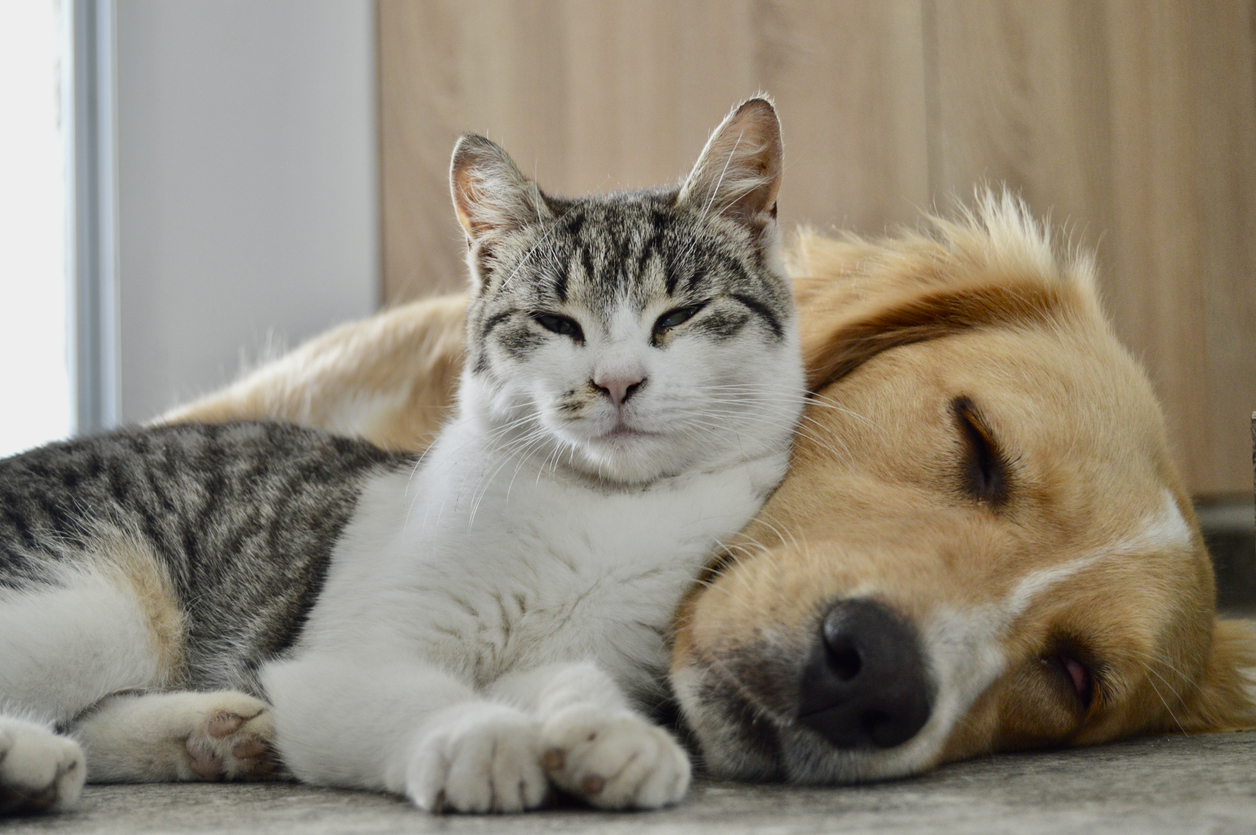
From dubious charges for pet applications to restrictive definitions of “acceptable” pooches, the rules covering pets in strata are a dog’s breakfast.
[See the full post at: Bogus charge exposes pet permission confusion]
If you want to be alerted when anyone replies to your posts or responds to this topic, please register and login, then you will be able to subscribe to the topic. The opinions offered in these Forum posts and replies are not intended to be taken as legal advice. Readers with serious issues should consult experienced strata lawyers. NB: Longer threads may spill over to additional pages - look for the numbers on the bottom right, under the last post.
› Forums › Current Page
› Forums › Current Page