
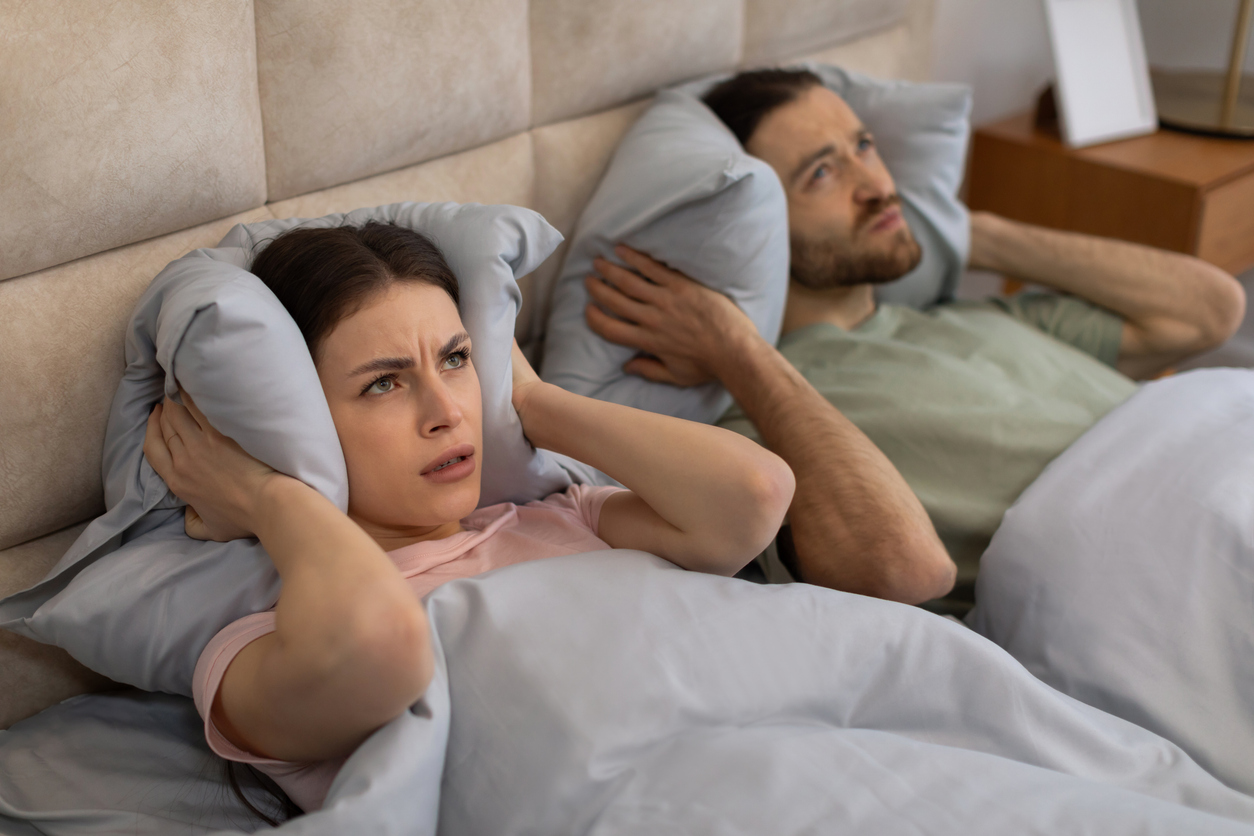
In this week’s newsletter we decided to test if AI has a human side that would make it a feasible substitute for a strata manager. Assuming it could automate the bill paying and levy collecting, would it be able to handle tricky issues that blurred the lines between being good neighbours and enforcing by-laws.
So we asked three AI platforms – Claude.ai, Chat-GPT and Gemini – this question: There is an elderly person in our strata block (in NSW) who is hearing impaired and suffers from insomnia so they have their TV on at full volume night and day. They are nice people and recently bereaved and we don’t want to upset them but they are breaching by-laws and keeping people awake at night and disturbing neighbours during the day. What can we do?
The results were frankly stunning. All three said don’t go to by-laws too soon. All three said send someone they might know and trust to have a chat and offer solutions. All of them suggested practical solutions and even suggested ways you could do it at no cost to the neighbour. One of them even provided a letter you could use if an informal approach didn’t work.
So, could you really self-manage and trust AI to answer all the questions you would normally ask your strata manager? You be the judge.
What Claude.ai said.
Treat it as a hearing problem to solve, not a by-law breach to enforce. The fix that works lets them keep the TV on all night, which matters if it’s become company since the bereavement, while nobody else hears it.
The practical fix
- Wireless TV headphones or a TV streamer. Hearing Australia sells TV headphones that work without hearing aids, and if they wear aids, a streamer accessory sends TV sound straight to them.
- It may cost them little or nothing. Pensioner Concession Card holders qualify for the federal Hearing Services Program, which covers a hearing assessment and subsidised devices. Veterans can also get subsidised TV headsets through DVA.
- Cheap interim measures. A pillow speaker for overnight listening, captions switched on, a small speaker beside their chair instead of the TV’s own speakers, and moving the set off the party wall all help.
The approach
Send one person they know and like, not the committee and not a letter. Frame it as “we’ve found something that would make the TV easier for you to hear”, and offer to help book the hearing test and set the gear up. If there’s family, bring them in early, since they are often unaware and best placed to help.
If kindness doesn’t work
The formal path is the usual one: a friendly committee letter, Fair Trading mediation, a notice to comply, then NCAT. Individual neighbours also have the noise laws:
- TVs and other amplified sound equipment shouldn’t be audible in a neighbour’s habitable rooms from 10pm to 8am, or midnight to 8am on Fridays, Saturdays and the eve of public holidays.
- Police or council can issue a noise abatement direction at any hour, and it can stay in force for up to 28 days.
- A neighbour can also seek a noise abatement order from the Local Court.
Anyone affected should keep a simple noise diary from now, in case it comes to that. I’d hold all of this well in reserve, though. Fining a grieving, deaf pensioner won’t make them hear the TV any better, and the headphones will.
Sources:
- Hearing Australia: Assistive listening solutions
- Hearing Australia: $0 hearing aids and eligibility
- Expression Australia: Funding options
- Wagga Wagga City Council: Neighbourhood noise
- Campbelltown City Council: Neighbourhood noise
- NSW EPA: Preventing neighbourhood noise
What Chat-GPT said:
You have a difficult situation, but there is a way to deal with it that is both compassionate and legally sound.
My recommendation would be to treat this initially as a welfare and practical problem rather than a by-law enforcement issue. The resident is elderly, hearing impaired, recently bereaved and apparently struggling with insomnia. However, none of those circumstances means that neighbours should have to endure a television blaring at all hours.
Under NSW strata law, you have several options, and I would suggest approaching them in stages, starting with the least confrontational.
1. Try to solve the problem without mentioning by-laws
Ideally, someone the resident knows and trusts — perhaps a friendly neighbour or a sympathetic committee member — should have a quiet, private conversation with them.
Rather than saying, “Your television is disturbing everyone,” the approach could be:
“We know you’ve been having a difficult time recently, and we’re concerned that the television sound is carrying through the building, particularly at night. We wondered whether we could help find a way for you to enjoy watching television without disturbing your neighbours.”
There are practical solutions that might make an enormous difference:
- Wireless TV headphones: These can provide clear sound without disturbing anyone else. Some models are specifically designed for people with hearing difficulties.
- Bluetooth hearing aids: If the resident has compatible hearing aids, the television may be able to stream sound directly to them.
- A personal TV speaker: A small speaker placed near their chair can allow the main television volume to be substantially reduced.
- Subtitles: These may help, although they won’t necessarily replace the need for sound.
It might even be worth the owners corporation offering to help organise or contribute towards a suitable solution, with the resident’s agreement. A modest expenditure could resolve a problem that otherwise escalates into a costly dispute.
2. What NSW strata law says
There are two relevant legal protections.
Section 153 of the Strata Schemes Management Act 2015 prohibits an owner or occupier from using their lot in a way that causes a nuisance to another lot’s occupier.
There is also likely to be a noise by-law in your scheme, often prohibiting residents from creating noise that unreasonably interferes with another resident’s peaceful enjoyment of their property.
Importantly, the fact that the noise comes from an elderly resident with a hearing impairment does not automatically exempt them from these obligations. Equally, the law does not require absolute silence: the nature, duration, frequency and impact of the noise matter.
NSW Government guidance confirms that residents can seek assistance from their owners corporation when unreasonable noise continues.
3. A graduated approach if the problem continues
| Stage | Action | Why |
| 1 | Friendly private conversation | Avoids embarrassment and confrontation |
| 2 | Offer practical hearing assistance | Addresses the underlying problem |
| 3 | Gentle written request from the committee | Establishes expectations without threatening penalties |
| 4 | Formal Notice to Comply | Creates the basis for by-law enforcement |
| 5 | NSW Fair Trading mediation | Offers a neutral process for finding agreement |
| 6 | NCAT proceedings | Last resort if unreasonable noise persists |
A formal Notice to Comply under section 146 requires the appropriate authorisation, unless the strata manager has the necessary delegated authority. The notice must identify and include the relevant by-law.
Fair Trading mediation is free. NCAT can subsequently make compliance orders, and it can impose penalties for proven continuing by-law breaches.
4. What I would suggest your committee actually do
I would propose that the committee appoint one sympathetic representative, rather than having several neighbours approach the resident individually.
That person could offer to help organise a hearing-friendly television solution, potentially involving a family member or support person if the resident agrees.
At the same time, affected neighbours should quietly maintain a record of the disturbances, noting dates, times, duration and how the noise affects them. This protects their position if informal attempts fail.
I would also suggest a follow-up after a week or two to check whether the arrangement is working.
If the resident is unwilling or unable to make changes, the committee can then move to a polite written request before considering formal enforcement.
5. A suggested letter
Dear [Resident],
We hope you are keeping well, particularly following your recent loss.
We wanted to raise a small but important issue with you in the hope that we can find a solution that works for everyone.
Some neighbours have been experiencing difficulty with television sound carrying between apartments, particularly during the night, and it has been affecting their sleep.
We appreciate that hearing difficulties can make television listening challenging, and we certainly don’t want to interfere with your enjoyment of your home.
We wondered whether there might be a practical solution, such as wireless television headphones, a personal speaker or another device that would allow you to hear your television comfortably while reducing the sound reaching neighbouring apartments.
We would be very happy to help explore these possibilities with you.
Our hope is simply to find a friendly solution that allows everyone to enjoy their homes in comfort.
With best wishes,
[Name]
On behalf of the Strata Committee
One important consideration
I would avoid making the resident’s age, bereavement, insomnia or hearing impairment part of any formal complaint. The issue requiring action is the noise and its effect on neighbours, not the person’s circumstances.
Their circumstances should, however, influence how sensitively the committee approaches the problem and what reasonable solutions it explores.
One question that could make a significant difference: Is this person living alone, or do they have family members or carers who regularly visit? That could determine whether a practical, compassionate solution is relatively easy to arrange without ever needing to invoke the by-laws.
What Gemini (Chrome’s in-built AI) said:
This is a delicate situation that is best approached as a practical technical and hearing challenge rather than a formal legal dispute, at least in the first instance.
1. Practical Tech Solutions
The goal is to let them hear their TV clearly without projecting sound through walls or floors:
- Wireless TV Headphones / RF Headsets: Devices like Sennheiser TV Listener systems or TV Ears connect directly to the optical or audio output of the TV. They allow the listener to set the volume as high as needed on their headset while keeping the TV speakers quiet or muted.
- Bluetooth Hearing Aid Streamers: If they wear modern hearing aids, most major brands offer a TV streamer accessory (such as Phonak TV Connector or Oticon TV Adapter) that broadcasts audio directly into their hearing aids.
- Near-Field / Chair-Side Speakers: Placing a small speaker (such as a wireless speaker or pillow speaker) right next to their favorite chair reduces the need for room-filling volume.
- Inexpensive Quick Fixes: Turning on TV closed captions, adding acoustic rugs, or moving the TV away from shared party walls can significantly reduce noise transfer.
2. Funding & Assistance Options
Before speaking with them, investigate options so you can offer solutions that won’t strain their budget:
- Hearing Services Program (HSP): Pensioner Concession Card holders and eligible veterans can access fully or partially subsidized hearing services and devices through the federal government’s Hearing Services Program via providers like Hearing Australia.
- DVA Health Cards: Gold or White DVA cardholders may be eligible for fully covered assistive listening devices.
3. How to Approach Them
- Choose the Right Envoy: Have one neighbor they trust and feel comfortable with approach them casually, rather than sending a group or an official committee letter.
- Focus on Help, Not Fault: Frame the conversation around helping them hear the TV better or introducing a helpful device, rather than complaining about noise or by-laws.
- Involve Family Early: If they have adult children or relatives who visit, reach out to them quietly first. Family members are often unaware of the issue and can easily arrange or set up tech solutions for them.
4. Formal Strata & Legal Recourse (If Soft Approaches Fail)
If gentle efforts do not resolve the issue, you can escalate through standard NSW channels:
- Strata By-Law Enforcement:
- The Strata Committee can send an informal letter or reminder regarding noise by-laws.
- If unresolved, the Owners Corporation can issue a formal Notice to Comply with a By-Law.
- If non-compliance continues, an application can be made to the NSW Civil and Administrative Tribunal (NCAT), which can issue monetary penalties.
- NSW Neighbourhood Noise Laws:
- Under the Protection of the Environment Operations (Noise Control) Regulation, noise from TVs/amplified sound equipment should not be audible inside a neighbor’s habitable room between 10:00 PM and 8:00 AM on weekdays (or midnight to 8:00 AM on weekends/public holidays).
- Police or local council officers can issue a Noise Abatement Direction.
- Affected residents can also apply directly to the Local Court for a Noise Abatement Order.
Keeping a concise noise diary (noting dates, times, and duration) is advisable if formal steps eventually become necessary.
› Forums › Current Page
We asked three AI platforms for an answer to a delicate strata problem – just to see if they could really replace a compassionate strata manager.
[See the full original blog post at: How AI suggests we deal with a noisy neighbour To comment on the post, click on reply here.]
If you want to be alerted when anyone replies to your posts or responds to this topic, please register and login, then you will be able to subscribe to the topic. The opinions offered in these Forum posts and replies are not intended to be taken as legal advice. Readers with serious issues should consult experienced strata lawyers. NB: Longer threads may spill over to additional pages - look for the numbers on the bottom right, under the last post.
› Forums › Current Page
› Forums › Current Page