
COMMENT: When you Google the words “tax fraud”, all sorts of ne’er-do-wells float to the surface.
From the Sydney builder who ran a $10million fraud, to notorious American gangster Al Capone, they eventually went to jail because they didn’t pay their taxes. The taxman (or woman) will get you in the end.
Way down near the bottom end of the tax fraud scale, there are the short-term holiday letting hosts who fiddle their income and expenditure to squeeze every last cent out of their negative gearing allowances.
So it’s with some satisfaction that we learn this week that our own ATO is finally going to crack down on the cheating hosts of holiday rentals like, but not restricted to, Airbnb and Stayz.
Ever since these largely unregulated agencies arrived on these shores, our gullible politicians have been falling over themselves to hand over the keys to our residential homes.
According to accounting giants KPMG, the result has been that 2 per cent of our housing is now locked away for holiday lets. That is a very, very conservative estimate and glosses over the fact that a lot of our housing simply isn’t suitable for holiday lets.
These are not the low-rent flats in the outer suburbs. In terms of apartments, it’s the prime properties that use the services we pay for – like gyms and swimming pools – to entice complete strangers into our homes.
Now the ATO says it has garnered enough information from two years of study to work out the patters of misbehaviour.
For instance, there are the properties – not just apartments – that are listed as short-term lets when they are really just holiday homes for their owners but still claim tax benefits on the “losses” because they are “available for rent” at times of the year when no one wants them.
And there’s the family and friends’ “mates rates”, either not declared as income or subsidised by negative gearing when the lower fees are declared as losses.
Our various state and federal governments have made it far too easy for residential apartments to be turned into holiday rentals – including allowing what are clearly businesses to categorise the properties under their management as residential.
Airbnb in particular has used the smokescreen of personal privacy to avoid having its figures properly scrutinised – then claimed its opponents’ statistics as being unreliable while denying anyone the opportunity to check theirs.
State government and local councils’ universal responses have been to shrug and say, “well, then, we’d better let you do what you want” rather than tell them if they don’t want to play nice, they don’t get to play at all, as other authorities around the world have done.
The essential problem is that our politicians don’t give a damn about people who live in apartments long-term. You made your multi-storey bed, so lie in it.
Take the NSW government inquiry back in 2016, which announced that holiday rentals would probably have the most profound effect on apartment block residents but, essentially, that wasn’t anything anyone should worry about.
One year later, a Sydney University study found that Airbnb listings in greater Sydney alone had grown to a total of 24,038 homes since the report was issued, while only 24,469 new apartments had been built.
Last month City of Sydney Greens Councillor Matthew Thompson proposed the city impose a 60-night a year limit on holiday lets. Over 5000 apartments are given over to tourists in the city.
Sadly and predictably, the Airbnb-friendly council voted to “investigate measures to reduce the impact of short-term rentals on Sydney’s housing crisis”, including “exploring a range of options such as a cap, levies, special rates, and planning controls,” according to one councillor’s spokesperson.
The question must be asked: if you are only “investigating” and “exploring” now, what have you been doing for the past nine years?
One problem with short-term holiday rents, apart from the obvious, is that many of us enjoy using them when we travel overseas, and some of us like to be able to let our apartments while we are away. The idea of a holiday paying for itself is very appealing to a lot of people.
But there must be limits and the NSW government’s gossamer-thin protections of a code of conduct and widely ignored or “gamed” register provides nothing in that regard. The fact that things are so much worse in Victoria and Queensland is of little comfort.
In a letter to CoS council, long-time anti-STHL campaigner Trish Burt named listings where ten properties at the same address used the same council registration number. How do you monitor the number of nights per property when they all have the same registration number, she asked.
She also cited a listing that used a property picture that appeared online on more than 100 listings worldwide.
Short-term holiday rentals are big business. Most of the properties concerned are not “ordinary Australians” making pin money out of renting a room in their homes or letting their whole apartment while they take a well-earned break overseas – they are businesses that often rent apartments in prime positions then let them to tourists for a profit.
Why don’t our state and local politicians address that when it has been so obvious for so long? Shift the businesses out of the residential column into the commercial category and your problem is halfway to be solved overnight. As the saying goes, there are none so blind as those who will not see.
At a time when young people are struggling to buy or even rent a home, short-term holiday lets of residential homes in the current numbers are an obscenity. The agencies say their holiday lets don’t make any difference to the housing stock. They lie.
Even worse, our politicians know about it but let them get away with it. But the tax office won’t.
To be fair, cracking down on STHL hosts using loopholes to maximise their negative gearing may seem like nibbling around the edges. There will be no holiday-let Al Capones carted off to jail for that.
But at least they’re doing something – and that’s to everyone else’s benefit.
› Forums › Current Page
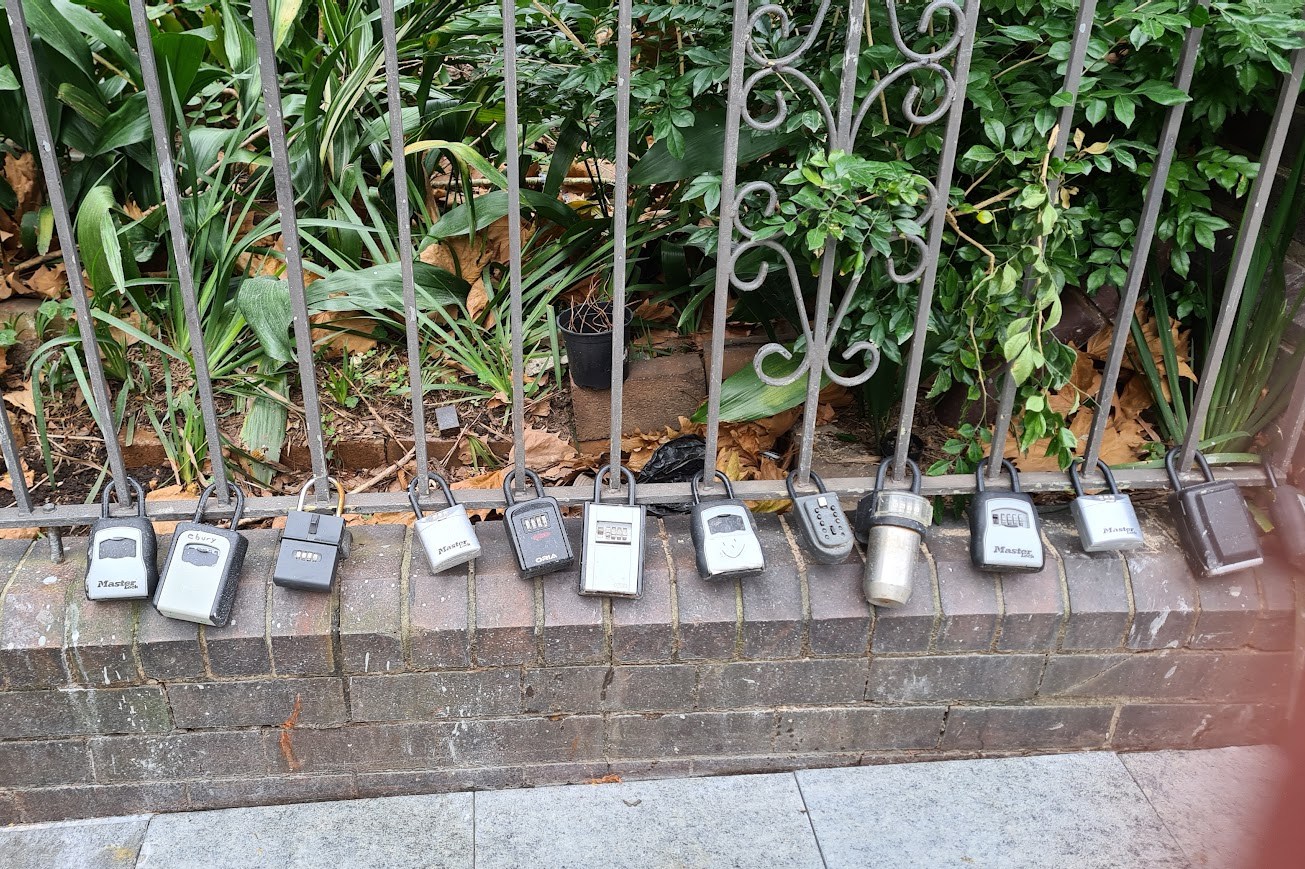
Holiday letting hosts have all sorts of ways to feather their nests – from personal use to mates rates – but the ATO is coming for them.
[See the full post at: New holiday let tax rules are just the beginning]
If you want to be alerted when anyone replies to your posts or responds to this topic, please register and login, then you will be able to subscribe to the topic. The opinions offered in these Forum posts and replies are not intended to be taken as legal advice. Readers with serious issues should consult experienced strata lawyers. NB: Longer threads may spill over to additional pages - look for the numbers on the bottom right, under the last post.
› Forums › Current Page
› Forums › Current Page