
Looking at a few recent posts on the forum, it made me realise how our strata resolution systems are supposed to be user-friendly but are as adversarial as any TV courtroom drama, from Rumpole of the Bailey to The Good Fight.
Strata law says we can create by-laws within certain parameters – they can’t be harsh, oppressive or discriminatory – and they can’t supersede other established laws.
Okay, that’s reasonably clear but also very broad and open to interpretation; there’s often a loophole or a flaw that’s exposed by specific circumstances. What happens then is that both sides think they are right and off we go to the lawyers and ask them to represent us as eloquently and convincingly as possible.
I know one strata lawyer who treats Tribunal cases and like an episode of the above TV shows. If he doesn’t have a compelling enough case, he attacks the character of the person on the other side – especially if they are representing themselves.
Now, he is an extreme case and it’s definitely not what the system – a Fair Trading mediation as a precursor to a possible lawyer-free Tribunal hearing – was intended to produce.
But too seldom does an independent and knowledgeable person say, you don’t have snowball’s chance – you are in the wrong and you’d be better off putting your time, energy and money into dealing with that reality.
Now, there are strata lawyers whom I know who will say exactly that rather than take on a case they believe they can’t or shouldn’t win. But there are others who will say “I think we can win this” when they know the odds are stacked against them.
Never forget the litigating lawyer’s five favourite words: ‘It’s a matter of principle.’
But imagine if there was an informal panel of three experts – a strata lawyer, a strata manager and a strata chair – who could listen to a brief summary of the arguments for and against, confer, then tell the parties what their chances of success were.
The combatants could still go ahead to the Tribunal if they wanted, but if there had been been a unanimous vote telling them they were wrong, then if they lost at the Tribunal, they could have costs awarded against them (as the law currently allows, when you pursue a case you know is hopeless).
There would be nothing to stop people continuing their principled litigation at the Tribunal, but they’d be up against it if their case failed.
Ten minutes for one side to present their case, ten minutes for the other, then ten minutes for questions and half an hour for the panel to deliver its verdict. All done and dusted in an hour, probably less.
When I started writing about strata, the CTTT as the Tribunal was then called, was basically an appeals court for decisions based on a paper assessment of a case. If the adjudicator ruled against you, you could either give up or take it to the Tribunal.
But rather than being an effective filter of hopeless cases, it became a matter of who was better are writing a coherent argument, which would be judged by an anonymous assessor who had probably never lived in strata.
Most importantly, the human element was absent and there was no opportunity for anyone to ask that most relevant of all questions – what is it that you actually want? It was ditched when the CTTT evolved into NCAT.
I still think my strata panel concept, first mooted a couple of years ago and universally ignored ever since, would clear up the backlog of tribunal cases like legal Draino. And, like all my better ideas, I wish I’d never mentioned it because now it has zero chance of ever becoming a reality.
Fair Trading has shown little interest in the past two decades in being anything more than a provider of information (rather than sensible, actionable advice). And the Attorney-General’s office is highly unlikely to cede one iota of its judicial powers to a panel of mere civilians, regardless of their collective knowledge and experience.
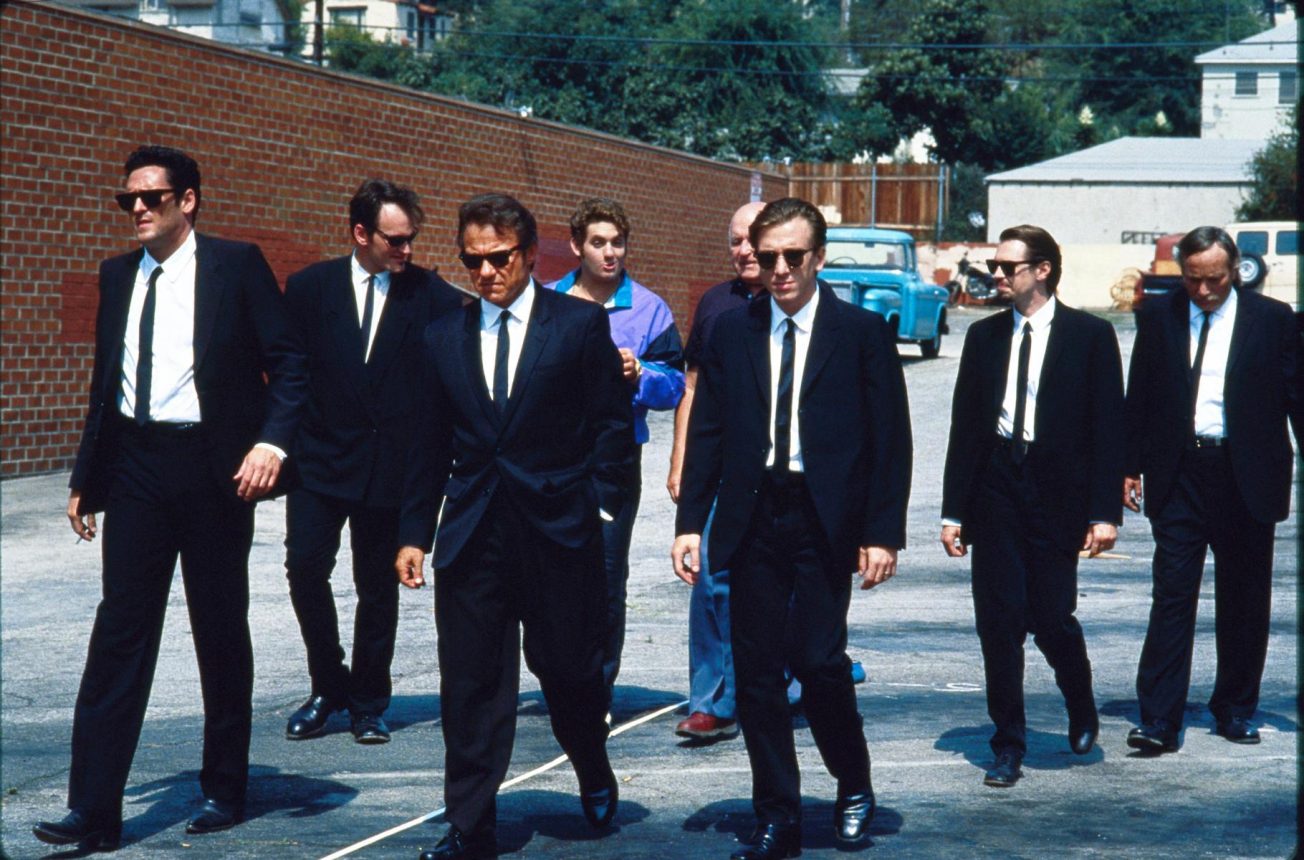
And so we are stuck in the middle – which was the song played in the ear-severing torture scene in the movie Reservoir Dogs. Seems appropriate when no one is listening, not to mention “clowns to the left of me, jokers to the right.’
But if anyone in Fair Trading is listening, how about we run an experiment to see if it would work?
A version of the comment piece was sent out on our Flat Chat newsletter last week. You can subscribe to the newsletter, for free, below.
› Forums › Current Page
COMMENT: The strata dispute resolution system is slow, unwieldy and unfair. There must be a better way than courtroom dramas.
[See the full post at: Stuck in the middle of a flawed dispute system]
If you want to be alerted when anyone replies to your posts or responds to this topic, please register and login, then you will be able to subscribe to the topic. The opinions offered in these Forum posts and replies are not intended to be taken as legal advice. Readers with serious issues should consult experienced strata lawyers. NB: Longer threads may spill over to additional pages - look for the numbers on the bottom right, under the last post.
› Forums › Current Page
› Forums › Current Page