
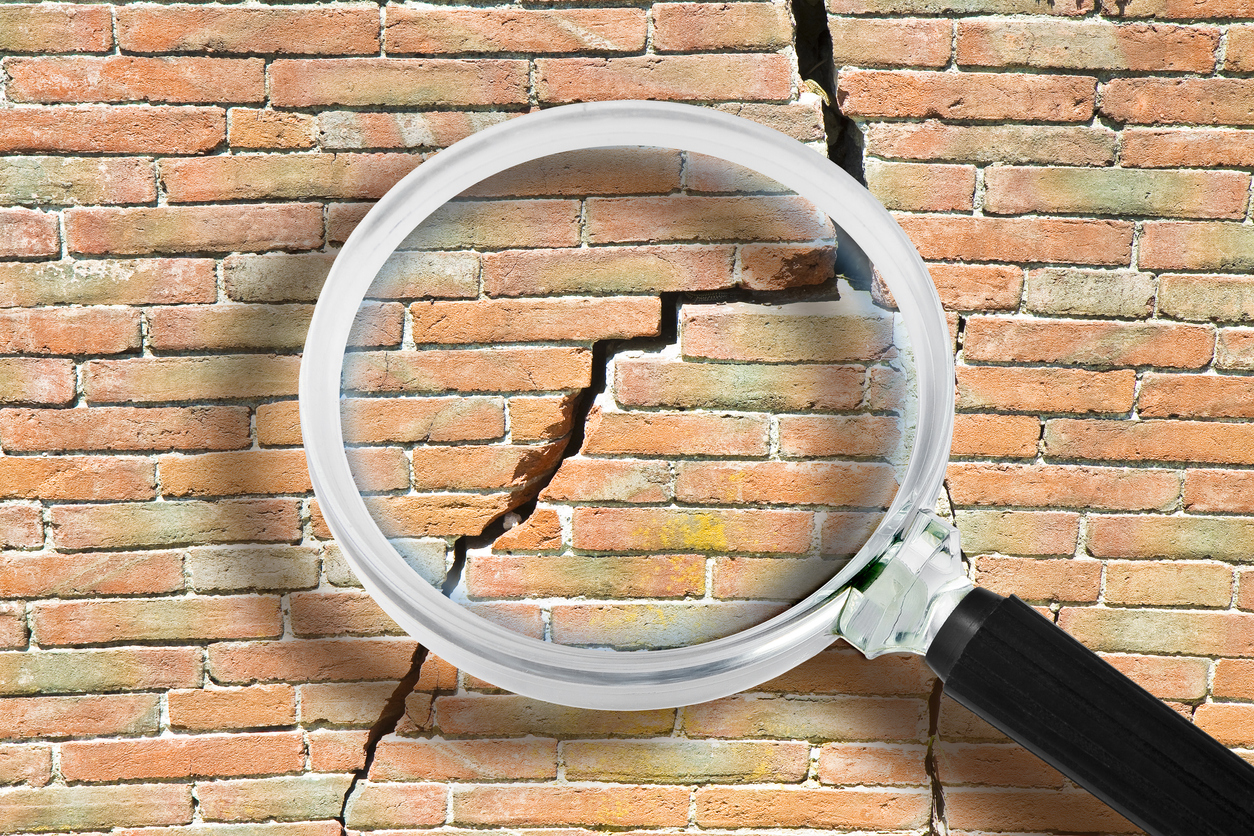
Our good friends in the Unit Owners Association of Queensland have produced a comprehensive guide to strata scheme maintenance. Yes, we know the laws are different from state to state but the principles are very similar if not the same.
So here is their sensible, pragmatic and helpful guide for strata committee members to know what to do when there’s an issue with the common property in your block.
Most maintenance disputes don’t begin because people disagree. They begin because nobody knows where to start.
Sooner or later, almost every body corporate experiences a maintenance problem. It might be a leaking roof, water stains on a ceiling, mould, a blocked drain, a plumbing leak, electrical faults or water entering through a window. The problem itself is usually stressful enough, but uncertainty about who is responsible often makes the situation much worse.
Many owners assume that because the problem affects their lot, it must be their responsibility. Others assume that because the problem involves the building, the body corporate must automatically fix it. Unfortunately, maintenance responsibility is rarely that simple. The answer depends on what has failed, where it is located, how the building is subdivided and, in some cases, what infrastructure is involved.
UOAQ has recently completed a comprehensive guidance document titled “Body corporate maintenance responsibility: a step-by-step guide for owners and committees”. During its preparation, one thing became very clear. Most disputes could have been avoided if owners and committees had followed a simple investigation process before debating responsibility.
Here are ten practical lessons that experienced owners and committee members often say they wish they had known much earlier.
1. Don’t begin by asking “Who’s responsible?”
When water appears on a ceiling or mould starts growing on a wall, the first reaction is usually to ask who should fix it. In reality, that is often the wrong first question. Before responsibility can be determined, someone needs to understand what has actually failed.
A water stain may be caused by a leaking roof, failed waterproofing, a plumbing problem, condensation, an air-conditioning drain or even an appliance inside another lot. Until the source is identified, assigning responsibility is little more than guesswork.
The first step should always be to investigate the problem. Responsibility comes after the facts have been established, not before.
2. Treat the problem as an investigation, not an argument
Maintenance disputes often become personal long before anyone has gathered any evidence. Owners become frustrated because they feel they are not being heard, while committees feel pressured to make decisions before the facts are known.
A much better approach is to treat every maintenance issue as an investigation. Record what has happened, when it first appeared and whether the problem is getting worse. Photographs, videos and a simple diary are often far more valuable than pages of correspondence.
The objective is not to prove someone wrong. The objective is to understand what has happened so the right decision can be made.
3. Good evidence saves time, money and frustration
The strongest maintenance requests are usually the simplest. They include photographs, dates, a clear description of the problem and any information that helps identify when the issue occurs.
Good evidence also assists the committee. Instead of relying on assumptions or conflicting opinions, committee members have something they can investigate and, if necessary, provide to contractors or insurers. The better the evidence, the easier it becomes to identify the cause of the problem.
Spending a little time gathering information at the beginning often saves weeks or even months of unnecessary disagreement.
4. Every building is different
One of the biggest surprises for many owners is that maintenance responsibility depends on the type of subdivision. A high-rise apartment building often has very different maintenance responsibilities from a townhouse or villa development.
That means two owners experiencing exactly the same problem may receive different answers because their schemes are legally structured differently. Before deciding who is responsible, the committee should understand the survey plan, the community management statement and the relevant regulation module.
The building itself often provides the first clue to the correct answer.
5. Finding the defective item is the key
Owners often describe the problem rather than the thing that has failed. Saying “my bathroom is leaking” or “water is coming through the ceiling” identifies the symptom, but not the cause.
Successful investigations identify the actual defective item. Is it a roof membrane, a cracked pipe, a failed window seal, a blocked drain or damaged waterproofing? Once that question has been answered, responsibility usually becomes much clearer.
Finding the defective item is often the turning point in resolving a maintenance dispute.
6. Insurance and maintenance are not the same thing
One of the most common misunderstandings is that an insurance decision determines maintenance responsibility. In reality, they are two different questions.
Insurance may pay for damage caused by an insured event, but it does not normally decide who was responsible for maintaining the defective item. Likewise, if an insurer declines a claim, that does not necessarily mean the body corporate has no maintenance obligations.
Committees and owners should treat insurance and maintenance as related, but separate, parts of the investigation.
7. A good committee explains its decision
Owners deserve more than a brief email saying “that’s your responsibility” or “the body corporate won’t be fixing it.” A well-managed committee should explain how it reached its conclusion and what information it relied upon.
Providing written reasons benefits everyone. Owners understand why the decision has been made, and future committees have a record explaining how similar issues were handled. Good governance and good maintenance both depend on decisions that can be understood as well as accepted.
Clear explanations often prevent disputes from becoming much larger than they need to be.
8. Don’t accept easy answers
Most committees work hard to resolve maintenance problems fairly, but owners should not accept vague explanations without understanding the reasons behind them. Statements such as “there is no money”, “insurance won’t cover it” or “the caretaker says it isn’t our problem” do not answer the real question.
Every maintenance decision should be based on evidence, the location of the defective item and the relevant maintenance responsibilities under the legislation. If those matters have not been considered, the investigation is probably incomplete.
Good decisions are based on facts, not assumptions.
9. Follow the process before escalating the dispute
If the problem cannot be resolved immediately, there are practical steps owners can take before considering formal dispute resolution. A written request, supporting evidence, a committee motion and independent advice will often achieve more than an exchange of increasingly frustrated emails.
Most maintenance disputes can be resolved when both parties focus on identifying the cause rather than defending their position. Formal processes are available when they are needed, but they are usually most effective after the investigation has been completed.
Following the process also helps ensure that important information is not overlooked.
10. The objective is to fix the problem
It is surprisingly easy for maintenance disputes to become arguments about responsibility while the building continues to deteriorate. Water keeps entering the building, mould continues to spread and repair costs increase while everyone debates who should pay.
The best committees and the most successful owners keep their attention on the real objective. Identify the cause. Determine who is responsible. Fix the problem. Then, if necessary, resolve any remaining questions about cost or liability.
Good maintenance is ultimately about protecting the building, the investment and the people who live there.
The complete guide
This newsletter introduces the key ideas behind UOAQ’s Body Corporate Maintenance Responsibility – A Step-by-Step Guide for Owners and Committees. The guide expands these ten principles into a practical investigation process covering water leaks, mould, plumbing, roofing, windows, electrical problems, shared services, insurance, committee decision-making and dispute resolution.
Whether you are an owner reporting your first maintenance problem or a committee member trying to make the right decision, the guide provides a practical framework for asking the right questions before deciding who is responsible.
The most important lesson is also the simplest:
Identify the cause. Identify the location. Identify the legal responsibility. Then fix the problem.
That approach will resolve far more maintenance disputes than simply beginning with the question, “Who’s going to pay?“
› Forums › Current Page
The ten steps strata committees need to take when they discover there are maintenance issues in their apartment block
[See the full original blog post at: Ten things you need to know about maintenance To comment on the post, click on reply here.]
If you want to be alerted when anyone replies to your posts or responds to this topic, please register and login, then you will be able to subscribe to the topic. The opinions offered in these Forum posts and replies are not intended to be taken as legal advice. Readers with serious issues should consult experienced strata lawyers. NB: Longer threads may spill over to additional pages - look for the numbers on the bottom right, under the last post.
› Forums › Current Page
› Forums › Current Page