
Victims of domestic violence (DV) should find it easier to leave unsafe homes and protect their privacy under sweeping tenancy protection reforms passed by the NSW Parliament this week.
Under the new laws, victims will no longer need to notify people they share a lease with that they are leaving. Crucially, landlords or agents will now be responsible for notifying other co-tenants that a victim is ending their lease after they have safely left the property – removing this dangerous and stressful obligation from those fleeing violence.
“These reforms are about making common-sense changes so women and families can get out of unsafe situations quickly, without unnecessary red tape,” said Premier Chris Minns. “We’ve listened to victims and frontline services. The message was clear: the law needed to work better in real-life situations.”
Domestic and family violence is the leading cause of homelessness for women, with victims often forced to choose between their safety and having a roof over their heads. In NSW, people experiencing domestic and family violence are 20 times more likely to seek support from homelessness services than others in the community.
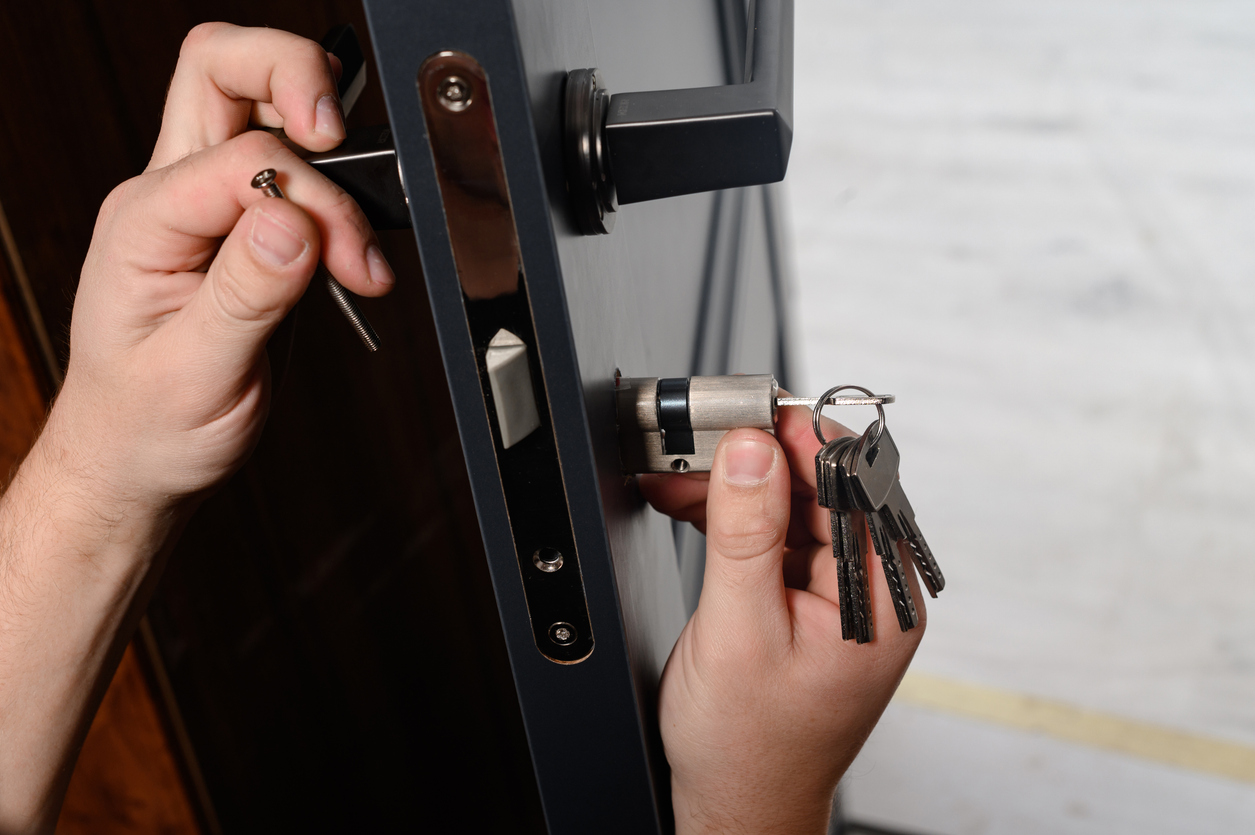
Victims will also now have broader rights to change locks without landlord consent to better ensure their safety. Landlords and agents will also need to meet new requirements when publishing photos or videos which reveal personal belongings to reduce the risk of further harm to victims.
Financial independence is also front and centre of the reforms, with new laws offering an easier pathway for victims to recover their share of the rental bond from any co-tenants and improved protections against being held liable for property damage caused by domestic violence which can keep people trapped in harm’s way.
The changes also crack down on unfair tenancy database listings by strengthening the existing ban on listing victims and introducing a simpler process to remove incorrect entries.
“Many women stay in unsafe situations because they literally have nowhere else to go. Others escape a violent partner only by giving up their home, which usually means losing their bond, being saddled with crushing debts and being blacklisted as a bad tenant,” said the Homeless Persons’ Legal Service.
“One of our clients was blacklisted from social housing when her perpetrator damaged her rental property during a domestic violence incident. With no other option, she was forced to sleep in her car.”
Recent statistics paint a grim picture: an estimated 1 in 4 women (27%) and 1 in 8 men (12%) in Australia have experienced violence by an intimate partner or family member since the age of 15. Young women aged 18-24 experience significantly higher rates of physical and sexual violence than women in older age groups, while Aboriginal women are eight times more likely to be victims of domestic violence.
In NSW, approximately 2,500 reports of domestic violence are made to police every month, though this likely represents only 40% of actual incidents due to underreporting. Against this backdrop of escalating violence, the number of Apprehended Domestic Violence Orders (ADVOs) in force in NSW has grown from 66,008 in June 2020 to 100,111 by June 2024, highlighting the urgent need for stronger protections.
“For too long, rental laws didn’t reflect the realities facing domestic violence victims across New South Wales. Today, that changes,’Minister for Better Regulation and Fair Trading Anoulack Chanthivong said.
“This is about removing barriers that have kept people trapped in unsafe living situations and replacing them with practical, compassionate protections which put safety first.”
Jodie Harrison, Minister for the Prevention of Domestic Violence and Sexual Assault said that victims often have to make the impossible choice between safety and a home.
“These reforms make sure they won’t have to anymore. They prioritise the safety of women and children escaping abuse, making sure they can remain in their rentals if they want to, or leave without their safety being compromised and facing a financial penalty” she added.
“These reforms give victims the confidence and clarity they need to leave unsafe homes without fear or financial penalty,’NSW Rental Commissioner Trina Jones said.
“We’ve worked closely with frontline services and the community to make sure these changes are practical and life changing. These laws mean victims can act quickly to protect themselves and their families without worrying about unfair costs or privacy risks.”
NSW Fair Trading says it took extensive consultation with more than 400 individuals and 40 organisations as part of a review which considered how domestic violence provisions for renters are used and if improvements were needed. For more information, you can visit this site.
› Forums › Current Page
New laws increasing protection for renters who are victims of domestic violence pass NSW state parliament.
[See the full post at: Laws pass increasing DV protection for renters]
If you want to be alerted when anyone replies to your posts or responds to this topic, please register and login, then you will be able to subscribe to the topic. The opinions offered in these Forum posts and replies are not intended to be taken as legal advice. Readers with serious issues should consult experienced strata lawyers. NB: Longer threads may spill over to additional pages - look for the numbers on the bottom right, under the last post.
› Forums › Current Page
› Forums › Current Page