
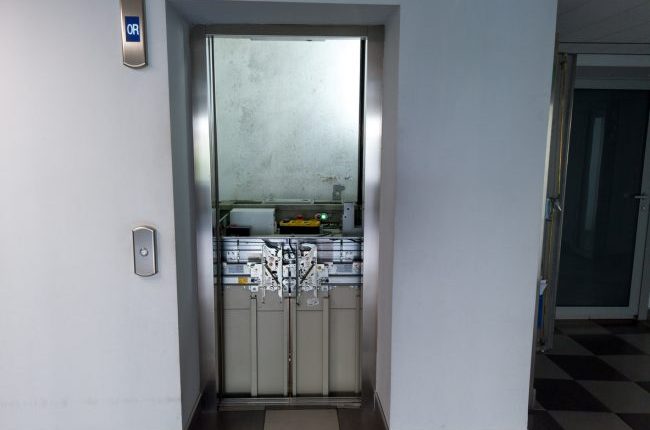
There are few more despair-inducing sights in high rise apartment blocks than a lift “out of order” notice.
Make that “heartbreaking’ when your block has only one lift. Yet, the reluctance to face up to the fact that they require maintenance is amazing.
I recall complaints from a couple of years back about a lift that would stop half a metre above or below the external door but the committee refused to have it repaired because “it still works fine” and the repairs would take it out of action completely.
All of which brings us to a few thoughts on the matter from Adam Daly, Modernisation Director at KONE Australia and New Zealand. We were invited to ask him questions about lift maintenance. This is his response:
When people think about lifts, it’s usually only when something goes wrong. Yet in apartment buildings – especially mid- and high-rise – lifts are essential infrastructure, affecting daily convenience, accessibility, property value and even safety. Planning ahead is the key to avoiding unpleasant surprises.
Most passenger lifts are designed to last 20–30 years, sometimes longer, depending on how they are used, maintained and modernised over time. That doesn’t mean everything works perfectly until year 30 and then suddenly fails. In reality, different components age at different rates, and performance can gradually decline if investment doesn’t keep pace.
For strata plans, meaningful planning should start well before a lift reaches the end of its design life. From around the 15–20-year mark, it’s sensible to assess condition, usage patterns and future needs. Older buildings often experience more frequent breakdowns, difficulty sourcing spare parts, higher energy use and poorer ride quality – all of which can frustrate residents and increase costs over time.
Regular, well-planned maintenance plays an important role in ensuring and potentially extending the lifecycle of the equipment. While no lift lasts forever, proactive maintenance helps identify wear early, reduces unexpected breakdowns and allows owners to schedule upgrades in a controlled way rather than reacting in a crisis. In practice, that usually means fewer major failures, shorter downtime and better reliability for residents.
Technology has also shifted significantly over the past two decades. Lifts today are far more connected and data-driven than those installed in the early 2000s. Continuous 24/7 connectivity provides better performance using artificial intelligence where many faults can be diagnosed proactively and much faster, and maintenance that is based on actual usage rather than guesswork.
For building owners, this translates into more uptime of the equipment, more transparency, quicker response times and better information to support long-term decisions. Energy efficiency, ride comfort, safety systems and accessibility have all advanced at the same time.
Some warning signs that a lift may be heading toward trouble include more frequent call-outs, longer shutdowns, noisy/poor operation, doors sticking or mis-levelling at floors. These are typically indicators that components are reaching the end of their reliable life and should prompt a broader conversation about future options, not just the next repair.
Modernisation doesn’t always mean tearing everything out at once. In many cases, lifts can be upgraded in stages to spread cost and minimise disruption. Even in a 15-storey building, a full renovation is usually measured in weeks rather than months, with careful planning to minimise impact to tenants.
Cost is understandably a concern for owners and residents. There is no meaningful “per floor, per year” average that applies across all buildings, because maintenance and upgrade costs depend heavily on age, technology, usage, environment and service expectations.
What matters more than a headline figure is predictability – understanding likely future investment, avoiding emergency spend, and ensuring money is directed toward reliability, safety and resident experience.
Finally, lift outages aren’t just inconvenient. In residential buildings they can raise accessibility, safety and legal issues, particularly where residents rely on lifts for mobility or emergency access. That’s why forward planning, transparency and informed decision-making are so important.
Lifts may be out of sight, but they shouldn’t be out of mind. Treating them as long-term assets – with data, planning and timely investment – is the best way to ensure buildings remain liveable, accessible and resilient for decades to come.
› Forums › Current Page
Lift maintencae is expensive and can be disruptive, but breakdowns are a distater. So, when do you fix it if it aint broke?
[See the full post at: The ups and downs of strata lift maintenance]
If you want to be alerted when anyone replies to your posts or responds to this topic, please register and login, then you will be able to subscribe to the topic. The opinions offered in these Forum posts and replies are not intended to be taken as legal advice. Readers with serious issues should consult experienced strata lawyers. NB: Longer threads may spill over to additional pages - look for the numbers on the bottom right, under the last post.
› Forums › Current Page
› Forums › Current Page