
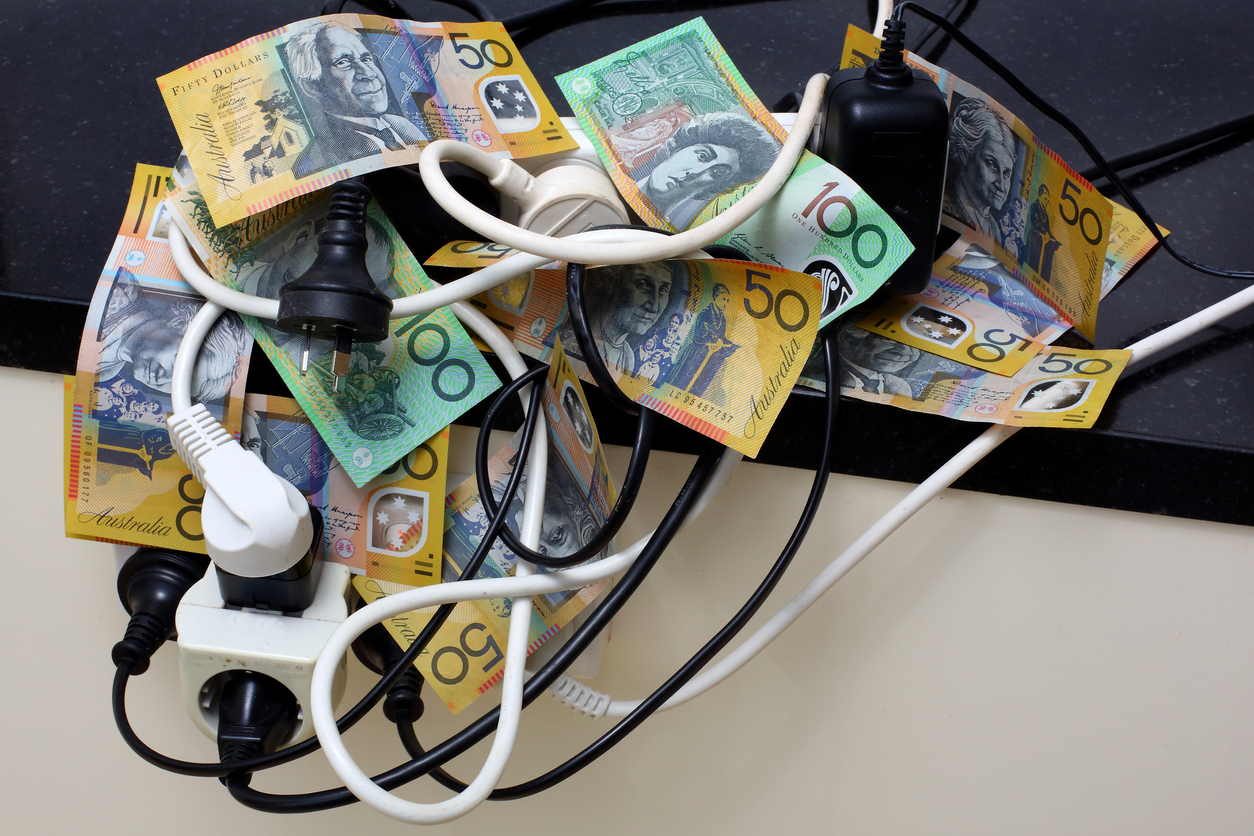
The NSW state government is to curb unit block power supply scams by placing a cap on cosy deals between developers and energy retailers that lock residents into inflated charges.
The crackdown on energy price gouging in apartment buildings is among reforms to end what consumer advocates have long described as a rip-off apartment developers and energy providers work together to trick residents into paying above-market electricity rates.
More than 95,000 NSW households are currently caught in these “embedded networks” – where developers sign exclusive deals with energy retailers to supply entire apartment buildings from a single connection point – will finally gain protection from price gouging under the NSW state government’s new action plan.
The Australian Energy Market Commission estimates over half a million Australians nationwide are trapped in embedded network arrangements, unable to shop around for competitive rates or access the same consumer protections as other households.
The reforms directly target the cosy relationship between property developers and energy companies, where developers install embedded networks in apartment buildings, retirement villages and shopping centres, then lock future residents into contracts with a single energy provider. This arrangement has prevented apartment buyers from shopping around for competitive electricity rates, leaving them at the mercy of whatever prices the embedded network operator chooses to charge.
“For too long, people living in apartments have faced challenges that others don’t, including a lack of competitive choice and at times, unclear pricing,” said Minister for Better Regulation and Fair Trading Anoulack Chanthivong, in a statement that acknowledged the systemic disadvantage faced by embedded network customers.
While the reforms are long overdue, they must also be viewed as part of the government’s long-term efforts to persuade potential apartment buyers that they will be protected from the myriad scams and rorts that some developers and their service providers employ to maximise their profits.
The centrepiece of the government’s crackdown is a price cap that will be set at the median of the lowest market offers, effectively preventing embedded network operators from charging the inflated rates that have become commonplace. By pegging the cap to what competitive retailers actually charge their customers, the government aims to ensure embedded network residents pay no more than those with normal retail connections.
The price cap represents a fundamental shift in power away from previous cosy developer-retailer arrangements. Until now, embedded network operators have faced virtually no restrictions on what they could charge captive customers, leading to bills that consumer advocates say are often hundreds of dollars higher per year than competitive market rates.
The move comes after years of complaints from apartment residents who discovered too late that their new home came with energy bills significantly higher than competitive market rates. Victoria recently went even further, announcing an outright ban on new embedded networks after concluding the business model was inherently unfair to consumers.
The problem has been particularly acute for first-home buyers, who often purchase off-the-plan apartments without being adequately informed about embedded network arrangements. By the time they receive their first electricity bill, they’re already locked in with no ability to switch providers.
Consumer advocates have been documenting the exploitation for years. Luke Lovell, senior policy officer at the Consumer Action Law Centre, says that despite some reforms, “people live with an effective monopoly, there is overcharging and consumers don’t have protections.”
Gerard Brody, CEO of Consumer Action, says “the exemption from licensing for embedded networks should never have been allowed in the first place as it enabled an unfair business model that removed choice and important consumer protections.”
The NSW Energy and Water Ombudsman has also raised concerns about the growing problem. “Customers in embedded networks miss out on crucial consumer protections that other energy customers benefit from, including rebates and concessions,” the Ombudsman noted, adding that “customers within embedded networks are particularly exposed due to the lack of retailer choice” and aren’t protected by standard price caps.
Under the new reforms, developers and landlords will be required to provide clear information about embedded network arrangements before a property is purchased or leased, closing the information gap that has allowed the practice to flourish unchecked.
The government will also prevent customers from being locked into lengthy energy supply contracts – ending another tactic used to trap residents in uncompetitive arrangements.
Additional protections include access to the NSW Energy and Water Ombudsman for dispute resolution and ensuring embedded network customers can access the same energy rebates and payment support programs available to other households.
Energy Minister Penny Sharpe said the action plan was “a decisive step to making sure every energy consumer in our state, regardless of where they live and work, can access a fair energy deal.”
The reforms, which deliver on action 26 of the NSW Consumer Energy Strategy, were informed by an Independent Pricing and Regulatory Tribunal (IPART) review that examined the embedded network market. The government has supported 36 out of 38 IPART recommendations.
Legislation to enact the key reforms, including the price cap, will be introduced to parliament this year, with implementation already underway.
While embedded networks can offer legitimate benefits through shared infrastructure and renewable energy installations, the lack of regulation has allowed them to become a vehicle for overcharging captive customers who have no alternative provider options.
› Forums › Current Page
NSW government is to finally curb embedded network power supply scams by capping charges to lower competitive rates
[See the full post at: State to curb unit block power supply scams]
If you want to be alerted when anyone replies to your posts or responds to this topic, please register and login, then you will be able to subscribe to the topic. The opinions offered in these Forum posts and replies are not intended to be taken as legal advice. Readers with serious issues should consult experienced strata lawyers. NB: Longer threads may spill over to additional pages - look for the numbers on the bottom right, under the last post.
› Forums › Current Page
› Forums › Current Page